Best Engine Paints for High Temperature Applications
Choosing the right engine paint helps protect metal surfaces from heat, oil, and corrosion while maintaining a clean, professional look. The following selections are designed for automotive engines, exhaust components, radiators, and other metal items exposed to high heat. Each option features heat resistance, rust protection, and compatibility with common automotive fluids for long-lasting performance.
| Product | Brand | Key Benefit |
|---|---|---|
| Rust-Oleum 7778830 High Heat Enamel | Rust-Oleum | Up to 1000°F, Bar-B-Que Black |
| Rust-Oleum 363567 Engine Enamel | Rust-Oleum | Up to 600°F, Oil & rust resistant |
| Rust-Oleum 249340 High Heat Primer | Rust-Oleum | Prime for metal engine surfaces |
| Dupli-Color DE1635 Engine Enamel | Dupli-Color | Ceramic resins, up to 500°F |
| Rust-Oleum 248932 Engine Enamel | Rust-Oleum | Resists up to 500°F |
Rust-Oleum 7778830 High Heat Enamel – Bar-B-Que Black

Ideal for updating exterior surfaces that experience extreme heat, this oil-based enamel protects metal such as grills, stoves, radiators, and engines. It withstands up to 1000°F and covers broad areas up to 7-8 sq. ft. The quick-dry formula enables handling in about 30 minutes, reducing downtime for maintenance and restoration projects. It’s a practical option when a durable, heat-resistant coating is needed for metal components exposed to high temperatures.
Rust-Oleum 363567 Engine Enamel – Gloss Black (11 oz)

Designed for automotive parts exposed to intermittent heat up to 600°F, this engine enamel provides a rust-preventive barrier against oil, gas, and environmental contaminants. It resists staining from fluids and dries to touch within about 20 minutes, with a coverage of up to 12 sq. ft. For optimal results, allow full cure as labeled before use or handling. A solid choice when a glossy black finish is desired on engine blocks or accessories.
Rust-Oleum 249340 High Heat Primer – Gray
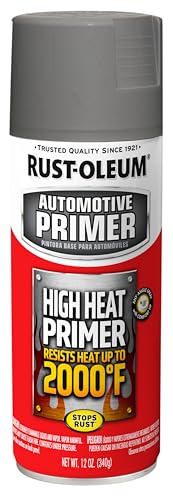
This high-heat primer is formulated for metal surfaces such as automotive engines and exhaust parts. Paired with compatible topcoats, it provides a rust-resistant base coat suitable for engines and other components subjected to elevated temperatures. The paint adheres well and dries to the touch in about 30 minutes, enabling efficient re-coating and long-lasting corrosion protection. It’s ideal as a foundational step before applying a high-heat topcoat.
Dupli-Color DE1635 Engine Enamel With Ceramic – Semi-Gloss Black

Dupli-Color Engine Enamel with Ceramic resins delivers enhanced heat dissipation and gloss retention. It provides protection from excessive heat and automotive fluids, resisting up to 500°F intermittently. The EZ Touch Conical Nozzle ensures even coverage on engine blocks and accessories, and the finish dries to the touch in 30 minutes with handling possible at 1 hour. Semi-gloss black offers a balanced, durable look suitable for engine bays.
Rust-Oleum 248932 Engine Enamel Spray Paint – Gloss Black

Engine enamel that resists heat up to 500°F and stands up to gas and oil exposure. The formula helps protect metal surfaces from rust while delivering a clean, gloss black finish. It’s suitable for engine components and metal parts that require a robust topcoat with anti-corrosion properties. Application should follow label instructions for best adhesion and durability.
Rust-Oleum 248903 Automotive High Heat – Flat Black
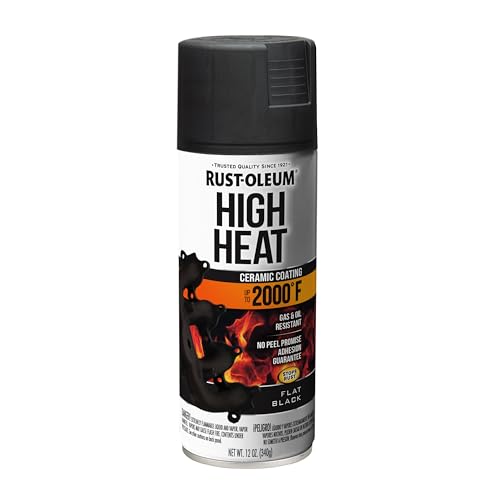
Engine and automotive parts that encounter intermittent temperatures up to 2000°F benefit from this high-heat enamel. The flat black finish helps hide imperfections while providing strong protection against rust. The Stops Rust formula reduces corrosion and ensures long-lasting durability. Drying to the touch occurs in about 30 minutes with a typical coverage of up to 10 sq. ft. per can, depending on surface texture and porosity.
Buying Guide: Engine-Grade Paint Considerations
- Temperature rating: Choose coatings rated for the highest heat your components will face. Engine blocks, exhaust manifolds, and mufflers often require higher heat resistance.
- Surface compatibility: Metal surfaces in engines come into contact with oil, gasoline, and coolants. Look for rust inhibitors and chemical-resistance in the formula.
- Finish and gloss: Semi-gloss or gloss finishes are common for engines, while flat finishes can help hide imperfections. Consider aesthetics and ease of maintenance when selecting.
- Primer vs topcoat: A dedicated high-heat primer improves adhesion and longevity—pair primer with a compatible topcoat for best results.
- Drying and curing: Short touch-dry times speed up workflows, but full cure times ensure maximum hardness and chemical resistance. Follow label guidance on cure windows.
- Application method: Aerosol cans provide convenience, while larger projects may benefit from spray equipment. EZ Touch nozzles help achieve even coverage on complex shapes.
- Recoat window: Some products require recoat within a specific timeframe; waiting too long or too short can affect adhesion and finish quality.
- Color options: Classic engine colors include gloss black, semi-gloss black, and gray primers. Choose colors that match or complement the vehicle’s engine bay.
- Maintenance: Engine surfaces are exposed to fluids and heat; choose coatings with easy cleanability and resistance to fluids to simplify upkeep.