Best Nitro Engine Pull Start Options for 1/10 RC Cars
For hobbyists maintaining 1/10 scale nitro RC cars, a reliable pull start is essential for quick engine priming and seamless operation. The right pull starter delivers smooth starts, durable construction, and compatibility with common engines such as VX 16, VX 18, and SH 21 variants. This guide highlights five well-regarded pull-start accessories designed to fit popular nitro engines, with practical tips on how to choose, install, and extend the life of your starter cord. Read on to compare fit, build quality, and actionable maintenance steps tailored for American modelers.
Summary table of chosen products:
| Product | Brand | Engine Compatibility | Key Feature | URL |
|---|---|---|---|---|
| XIND ELE. RC Nitro Car Pull Starter R020 | XIND ELE. | 1/10 VX 16/18 SH 21 .16/.18/.21 | 27mm center-to-center mounting; wax-treated cord guidance | Product Link |
| XIND ELE. RC Nitro Car Pull Starter R020 with 12mm Bearings | XIND ELE. | 1/10 VX 16/18 SH 21 engines | 12mm flat one-way bearing; 27mm spacing | Product Link |
| FainWan RC Nitro Car Pull Starter R020 | FainWan | 1/10 HSP/Redcat/Volcano etc.; VX 16/18/21 | Durable cord with wax cue; 27mm spacing | Product Link |
| Chanjorlin RC Nitro Engine Pull Starter R020 | chanjorlin | 1/10 .16/.18/.21 SH/OP engines | 27mm center spacing; careful pull guidance | Product Link |
| logyues Aluminum RC Car Pull Starter | logyues | 1/10 Nitro engines; 27mm spacing | All-brand compatibility; 12mm bearing | Product Link |
RC Nitro Car Pull Starter R020 by XIND ELE.
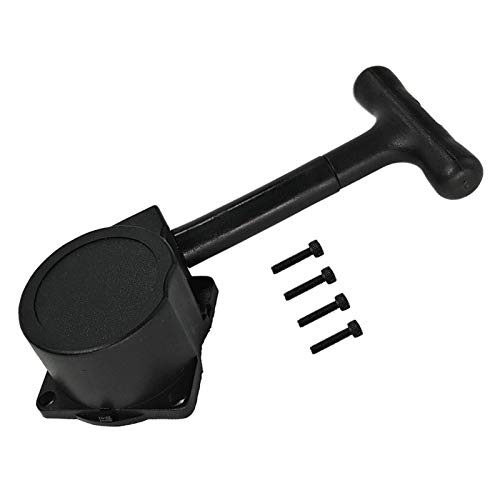
The XIND ELE pull starter is designed for 1/10 scale nitro vehicles and works with popular VX 16/18 SH 21 engines. It emphasizes a center-to-center mounting distance of 27mm, a parameter that ensures a secure fit in compatible chassis. The instruction notes recommend gently pulling the start string and applying a small amount of wax to extend cord life. A caution is given about potential cord wear if over-tensioned or pulled abruptly. This model uses a 12mm flat one-way bearing in some variants, providing smoother re-engagement after a start attempt.
Reference features: fit for 1/10 nitro vehicles, 27mm mounting hole spacing, waxing for durability, general guidance on string care, and a note to verify size before purchase. Users should confirm the specific engine model and mounting pattern prior to ordering. Regular inspection of the pull cord and bearing wear is advised to prevent mid-use failures.
RC Nitro Car Pull Starter R020 with 12mm Bearings by XIND ELE.

This variant by XIND ELE pairs a 12mm flat one-way bearing with a 27mm center-to-center spacing to fit many 1/10 scale nitro engines. It is suitable for VX 16/18 SH 21 engines and related platforms. The design prioritizes straightforward installation and a reliable engagement characteristic during the pull-start cycle. Consumers are advised to check the compatibility with their specific engine model and to handle the string gently to avoid early wear and breakage. Proper lubrication and storage after use can help preserve cord integrity over time.
Key details include the 27mm mounting profile, 12mm bearing size, and a 6mm shaft diameter in the bearing assembly. This combination supports steady starts and reduces jerk during engine priming. Maintenance tips include not over-pulling the cord and applying wax to the string to extend durability.
FainWan RC Nitro Car Pull Starter R020

The FainWan pull starter is designed to fit 1/10 scale nitro vehicles from brands like HSP, Redcat, Volcano S30, and others, with engines in the .16 to .21 range. A careful pull and wax treatment are recommended to prolong string life and prevent snapping. The mounting spacing is 27mm center-to-center, consistent with many popular models. The note emphasizes verifying horsepower compatibility and avoiding aggressive string pulls that can lead to premature wear.
Product features include compatibility with a broad range of 1/10 nitro engines and chassis, guidance on string care and durability, and a 27mm spacing that aligns with standard configurations. Mechanically, build quality focuses on a stable pull-start mechanism to minimize stress on internal components during priming, making it suitable as a replacement part for worn-out starters.
Chanjorlin RC Nitro Engine Pull Starter R020
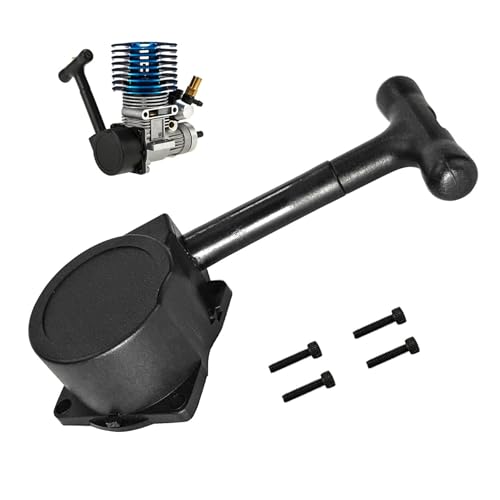
Chanjorlin offers an RC nitro engine pull starter that targets 1/10 scale vehicles with .16/.18/.21 SH and CXP/Roto configurations. The product specifies a 27mm center-to-center mounting gap and follows a caution to pull the cord gently and wax it for longevity. The design also notes a 12mm bearing accommodation on the flat side with a 6mm shaft diameter, signaling a typical fit for many common one-way bearings used in pull-start assemblies. Users should validate compatibility with their engine before purchasing and handle the cord with care to maximize life.
For installation, ensure the mounting holes align with the chassis mounting points and that the bearing is seated correctly. The accessory is positioned as a practical spare part for model car enthusiasts who perform regular maintenance and engine priming as part of routine operation.
logyues Aluminum RC Car Pull Starter for R020 Vertex Engines

The logyues pull starter emphasizes metal construction with aluminum alloy for durability, aiming at broad compatibility with 1/10 nitro engine platforms including Vertex 16/18 and SH 21 series. The product lists a 27mm center-to-center spacing and a 12mm inner bearing diameter, which aligns with common 12mm one-way bearings. The description recommends gentle cord handling and wax application to improve longevity. This option is marketed as suitable for multiple brands and proportions, providing flexibility for mixed fleets of RC nitro cars.
Overall, the logyues starter combines a robust build with broad compatibility, making it a practical choice for modelers who own several vehicles or engines from different brands. Regular inspection of the cord and bearing wear is advised to prevent early replacement needs, and proper storage can help maintain optimal performance over time.
Buying Guide: Key Considerations for Nitro Pull Starters
- Engine compatibility: Verify that the pull starter’s mounting spacing (commonly 27mm center-to-center) and bearing size (typically 12mm) match your engine and chassis. Not all models fit every 1/10 scale nitro engine, so check your engine model (VX, SH, CXP, etc.) before purchasing.
- Bearings and durability: A high-quality one-way bearing reduces resistance during start and contributes to longer service life. Look for 12mm bearings and durable materials in the starter body to withstand repeated pulls.
- Cord care and waxing: Gentle pulling and occasional waxing on the string are common maintenance recommendations to prevent early breakage. Avoid harsh pulls and inspect the string for fraying.
- Material quality: Aluminum or reinforced plastic housings offer better durability for regular starts. Heavier, sturdier starters may resist wear but could add weight to the nose area of the vehicle.
- Compatibility across brands: Some pull starters list broad compatibility with HSP, HPI, Redcat, Vertex VX, and similar platforms. Ensure the model you pick explicitly supports your engine family and mounting layout.
- Installation and ease of use: Look for straightforward mounting with standard hole spacing and simple alignment. A well-designed unit minimizes the risk of misalignment during installation.
- Maintenance plan: Regularly inspect the cord, bearings, and mounting hardware. Keep spare strings on hand and replace worn components promptly to avoid in-use failures.
- Cost versus value: While price varies, prioritize build quality and compatibility. A slightly higher upfront cost can lead to fewer replacements and smoother starts over time.
Understanding your specific vehicle and engine configuration is essential. For most 1/10 nitro RC cars, a pull starter with 27mm mounting spacing, a 12mm bearing, and 6mm shaft diameter offers broad compatibility and reliable performance. When selecting among the options above, consider the brand ecosystem you already own, as some manufacturers emphasize kit-specific parts that best suit their chassis and engine pairing. This approach minimizes compatibility surprises and streamlines maintenance in the long term.