Best Hub Spacers for Wheels: Top 5 Real Forged and Centric Options for SUVs and Trucks
Choosing the right hub spacers can improve wheel fitment, alignment, and handling on trucks and SUVs. This guide highlights five well-regarded hub spacer kits that accommodate common bolt patterns like 6×139.7mm and 6x135mm, including models designed for GM trucks and popular Toyota and Honda crossovers. Each option emphasizes forged construction, precise hub bore compatibility, and reliable stud geometry to help maintain safety and performance on the road or trail.
Summary of selected products:
| Product | Brand | Bolt Pattern | Spacer Thickness | Hub Bore |
|---|---|---|---|---|
| KSP 6X5.5 Wheel Spacers (1.5″) | KSP PERFORMANCE | 6×139.7 mm | 1.5 inch (38 mm) | 78.1 mm |
| Richeer 1 Inch Wheel Spacers (4pcs) | Richeer | 6×139.7 mm | 1 inch | 106 mm center bore |
| KSP 6×135 to 6×135 Spacers (1.5″) | KSP PERFORMANCE | 6×135 mm | 1.5 inch | 87.1 mm |
| 6X5.5 Spacers (1″) | KSP PERFORMANCE | 6×139.7 mm | 1 inch | 108 mm |
| Richeer 1.5″ Spacers (4pcs) | Richeer | 6×139.7 mm | 1.5 inch | 78.1 mm |
KSP 6X5.5 Wheel Spacers for Silverado Sierra — 1.5″ Forged Spacers

The KSP Performance spacers are forged from 6061-T6 aluminum, offering enhanced strength over casting. They feature CNC precision machining, a 78.1 mm hub bore, and M14x1.5 studs with high-quality bolts. A black anodized finish helps resist corrosion, and the package includes four spacers suitable for 6×139.7 mm bolt patterns. The recommended torque range is 85-95 ft-lbs, aligning with common pickup and SUV wheel applications.
Richeer 1 Inch Hub Centric Spacers — 4pcs For Tacoma, 4Runner, and More

Richeer spacers are designed for 6×139.7 mm patterns, with a 106 mm center bore and 12×1.5 thread studs. They use Grade 12.9 studs for improved tensile strength, offering robust support for a range of Toyota and related 6-lug platforms. The spacers are forged from aluminum and deliver a balance of light weight and durability, with a torque recommendation of 70-80 ft-lbs for secure installation.
KSP 6×135 To 6×135 Wheel Spacers — For F150 And Expedition

These spacers by KSP are forged from 6061-T6 aluminum, designed for 6×135 mm bolt patterns with 87.1 mm hub bore. They use 14×1.5 studs and are heat-treated for added strength. The kit includes four spacers with a recommended torque of 85-95 ft-lbs and notes fitment for modern F-Series trucks from 2015 onward, making them suitable for late-model F150, Expedition, and Navigator builds.
KSP 6X5.5 Spacers — 1″ Thickness For Various 6×139.7 Vehicles
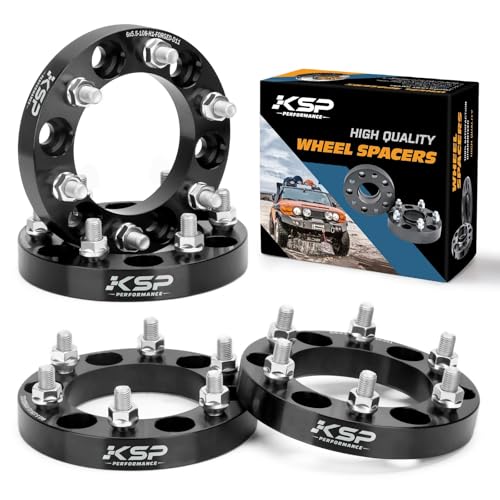
This KSP option broadens fitment to multiple 6×5.5″ patterns, including Tacoma, 4Runner, Tundra, and related SUVs. The spacers are forged from 6061-T6 aluminum, with 10.9-grade bolts and a hub bore of 108 mm. A note on installation: improper torque or fit can cause vibration, so adhere to the 72-80 ft-lbs torque guideline. The kit emphasizes non-lip hub designs for clean hub engagement.
AR-PRO Wheel Hub Spacers — 3/4″ Axle Spacer Kit

AR-PRO offers a versatile combo pack for lawn tractors and riding mowers with 3/4″ spacers. This metal spacer kit includes four 0.44″ and four 0.24″ extension sleeves, suitable for quick, modular spacing adjustments on compatible equipment. While not automotive-specific, the kit demonstrates how hub spacers can vary by application and dimension, underscoring the importance of selecting hardware that matches axle type and mounting requirements.
Orion Motor Tech Hub Centric Spacers — 5×114.3, 1″ Blue

Orion Motor Tech spacers emphasize hub-centric design to reduce wheel vibration, with 5×114.3 patterns and a 64.1 mm center bore. The package includes corrosion-resistant M12x1.5 bolts and a 1-inch spacer thickness. Built from aircraft-grade aluminum, these spacers aim to provide stable track width and improved handling on compatible Honda and Acura platforms, while maintaining a focus on durability and ease of installation.
Buying Guide: Key Considerations For Hub Spacers
- Vehicle compatibility: Confirm bolt pattern, hub bore size, and center bore clearance. Hub-centric spacers improve alignment by centering the wheel on the hub, while non-hub-centric spacers must rely on wheel studs to center.
- Material and construction: Forged 6061-T6 aluminum spacers offer higher strength-to-weight ratios and better resistance to cracking than cast spacers. Look for durable finishes like black anodizing to resist corrosion.
- Studs and bolts: Verify stud length, thread pitch (commonly M14x1.5 or M12x1.5), and grade (10.9 or 12.9). High-tensile hardware reduces the risk of stripping and loosening under load.
- Torque specifications: Use manufacturer-recommended torque values to ensure safe installation. Under- or over-tightening can cause wheel vibration or lug loosening.
- Clearance and fitment: Ensure there is adequate clearance between spacers, brakes, and tires. Larger spacers can affect brake caliper alignment and suspension geometry on some vehicles.
- Installation considerations: Read installation notes about hub lip, lip engagement, and whether a lip is required for hub-centric stability. Some vehicles require lipless designs for perfect seating.
- Legal and warranty: Check local regulations and the vehicle manufacturer’s warranty terms, as improper spacer use can affect warranty or insurance coverage on certain models.
- Maintenance: Periodically inspect spacers and hardware for corrosion, cracks, or loosened fasteners, and re-torque to spec after wheel service or suspension work.
These options illustrate a range of hub spacers tailored for trucks, SUVs, and select crossovers. When selecting a spacer kit, prioritize correct bolt pattern, hub bore compatibility, and the use of forged aluminum with reliable studs and hardware. For vehicles outside the most common GM and Toyota configurations, verify fitment with product specifications and vehicle service documents before purchase.