Best Forced Induction Performance Tuning Guides and Kits
This article compiles top resources and kits focused on forced induction performance tuning, including supercharging and turbocharging concepts. It presents five relevant products with accessible overviews, helping readers compare content, scope, and practical guidance. This selection suits enthusiasts seeking practical theory, hands-on tuning methods, and real‑world application notes for improving power while managing reliability and safety.
| Product | Brand | Format | Notes |
|---|---|---|---|
| Forced Induction Performance Tuning A Practical Guide to Supercharging and Turbocharging | Haynes | Book | In-depth guide to forced induction |
| Engine Management: Advanced Tuning | Cartech | Book | Advanced engine management concepts |
| Four-Stroke Performance Tuning | Haynes | Book | Comprehensive tuning for four-stroke engines |
| Snow Performance Water/Methanol Kit Gas Stage I Forced Induction | Snow Performance | Kit | Advanced fueling and cooling integration |
| Other relevant resources | N/A | N/A | Additional context to consider |
Forced Induction Performance Tuning A Practical Guide to Supercharging and Turbocharging

The Haynes guide offers a practical exploration of forced induction concepts, focusing on supercharging and turbocharging fundamentals. It presents step-by-step explanations, diagrams, and case studies that illustrate common tuning scenarios. Topics include boost control, intercooling basics, fuel and ignition considerations, and safety practices when modifying forced induction systems. This resource suits readers seeking a solid foundational understanding with actionable recommendations for street and performance applications.
Key features include practical diagnostics, wiring considerations, and maintenance tips relevant to forced induction setups. While the book emphasizes practical application, readers should cross‑reference with modern engine management approaches as technologies evolve. The content supports beginners and intermediate readers aiming to deepen hands-on tuning skills and safety awareness.
Engine Management: Advanced Tuning
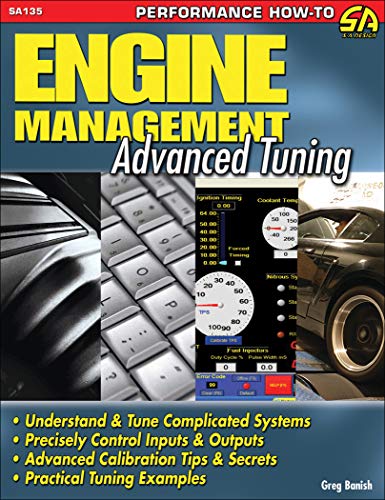
Cartech’s Engine Management: Advanced Tuning dives into sophisticated strategies for optimizing modern engine control units (ECUs) and tuning workflows. The text covers calibration methods, sensor data interpretation, and advanced ignition timing and fuel map adjustments. This resource emphasizes practical tuning techniques for performance gains while maintaining reliability and drivability. It is suited for readers who already understand basic tuning concepts and want to level up to more precise ECU manipulation and data-driven decisions.
Readers will encounter guidance on mapping, harness integration, and diagnostic approaches that support forced induction setups. The book also discusses emissions, driveability, and safety considerations when pushing engines beyond stock limits. This makes it a valuable reference for those pursuing deeper calibration work in turbocharged or supercharged environments.
Four-Stroke Performance Tuning

Haynes’ Four-Stroke Performance Tuning provides a broad scope of tuning techniques for four-stroke engines, including those equipped with forced induction. The guide covers fundamentals such as air and fuel management, ignition control, exhaust flow, and fuel system upgrades. It also discusses how turbochargers and superchargers interact with different engine architectures. This resource is useful for readers seeking a comprehensive overview that balances theory with practical steps for modifications and testing.
The content is organized to aid readers in planning builds, selecting components, and performing iterative testing. It places emphasis on reliability and consistency, helping readers avoid common pitfalls when adding boost to an engine. This book functions well as a reference companion to hands-on projects and more advanced tuning literature.
Snow Performance Water/Methanol Kit Gas Stage I Forced Induction

The Snow Performance Water/Methanol Kit is designed for boosting forced induction systems with a water/methanol injection strategy. Stage I kits typically aim to reduce intake charge temperatures and suppress detonation while supporting higher boost levels. Key details include the kit’s packaging dimensions and weight, which influence installation planning and shipping considerations. This resource is particularly relevant for enthusiasts seeking cooling strategies and boost management that complement turbocharging or supercharging projects.
When evaluating this kit, readers should consider compatibility with their engine management approach, the tunability of methanol flow, and the availability of add-on components such as hoses, nozzles, and control wiring. Proper installation and calibration are essential to maximize gains and avoid safety concerns related to improper injection timing or fuel mapping.
Buying Guide: Key Purchase Considerations
When pursuing forced induction performance tuning, several factors help determine the best fit for a given project and skill level.
- Engine platform and goals: Match resources to whether the aim is street efficiency, track performance, or a balance of both. Consider engine displacement, cylinder count, and existing fueling and ignition systems.
- Tuning depth and scope: Choose guides and kits that align with your experience. Beginners benefit from foundational texts, while advanced tuners may seek ECU calibration and data analysis resources.
- Boost strategy and safety: Understand boost targets, intercooling needs, and detonation risk. Consider nitrous or methanol options only if supported by the chosen tuning approach.
- Fuel system compatibility: Assess fuel pump capacity, injector sizing, and fuel pressure regulation. Upgrades may be essential for sustained performance gains.
- Engine management and data: Ensure access to robust tuning software, data logging, and diagnostic capabilities. Proper data interpretation reduces risk and enhances outcomes.
- Installation complexity: Some kits and guides assume a DIY mindset, while others may require professional support or sophisticated tools.
- Reliability and maintenance: Plan for regular maintenance intervals, part wear, and potential sensor recalibration after modifications.
- Legality and emissions: Be aware of local regulations and compliance requirements related to emissions and noise for modified vehicles.
Comparative Perspectives
Readers should weigh the benefits and trade-offs of each resource relative to their project scope. Book-based guides provide structured theory, troubleshooting principles, and practical procedures that are portable across platforms. They are valuable for building a strong foundation and for reference during builds. Hardware kits, such as water/methanol injection systems, offer concrete performance enhancements and real-world integration considerations, but require careful calibration and monitoring.
Advanced tuning resources emphasize ECU-level strategies, data-driven adjustments, and diagnostic workflows. They are best suited for those who already understand core tuning concepts and want to optimize complex systems. In practice, a well-rounded approach often combines foundational knowledge with hands-on kit installation and ECU calibration for reliable, repeatable performance gains.
Altogether, this selection provides a spectrum of resources—from practical guides to advanced tuning concepts and performance-enhancing kits—that support forced induction projects with a focus on safety, reliability, and measurable gains.