Best Driver Alert Warning Device Reviews for Safer Night and Long-Distance Driving
Driving fatigue is a major road risk, especially on long trips and night shifts. The following driver alert warning devices are designed to help monitor wakefulness, provide timely prompts, and reduce the chance of fatigue-related incidents. Below is a curated, objective overview of five popular options with key features to consider for American drivers.
| Product | Brand | Notes |
|---|---|---|
| Techinal Driving Doze Reminder with Vibrate Alert Anti-Sleep Alarm | Techinal | Vibration alert; wide range of use cases |
| Driver Fatigue Alarm Device (12V/24V) | Luqeeg | Suction cup mount; pupil detection |
| Driver Fatigue Alarm, 8.5×6.5×11 cm | Naroote | Voice prompts; blink frequency monitoring |
| Narcolepsy Driving Alarm – NOD-Stopper (White) | Assistive Technology Services | Ear-worn warning |
| Narcolepsy Driver Alertness System – Nap Zapper (Blue) | Assistive Technology Services | Ear-worn warning |
Across these options, considerations include comfort, mounting method, sensor technology, and whether the device provides voice prompts, visual cues, or vibrations. The following sections detail each product’s core attributes to help you compare effectively and choose a model that fits your driving habits and vehicle type.
Techinal Driving Doze Reminder With Vibrate Alert
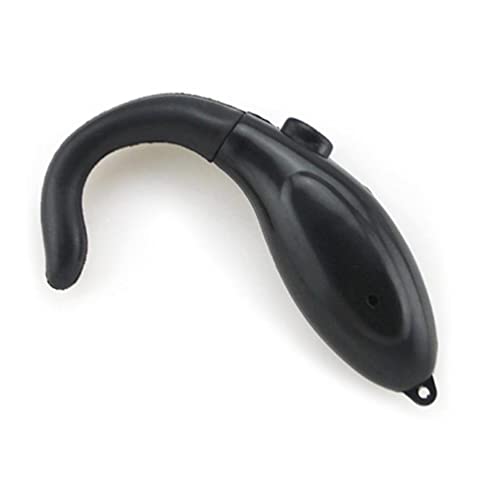
The Techinal device provides a wearable-style warning system designed to reduce fatigue-related risks while driving. It offers a vibrate alert to wake the driver, making it suitable for night driving and long-distance trips. Its design targets a broad user base, including night shift workers, security personnel, and other professions requiring alertness during late or extended drives. The device emphasizes prevention of sleep-related incidents and can be positioned to best suit the wearer’s comfort and road conditions.
Driver Fatigue Alarm Device From Luqeeg

The Luqeeg fatigue driving alarm uses recognition technology and pupil analysis to determine fatigue or inattention. It is designed for both professional and private drivers, including trucks and long haulers. The device includes a rotating ball suction cup bracket, enabling mounting on various planes and vehicle types. This versatility helps ensure the alert system remains secure and accessible during driving, enhancing situational awareness on the road.
Naroote Driver Fatigue Alarm With Voice Prompts

Designed for long-distance driving, this Naroote model emphasizes real-time detection through pupil recognition and blink-rate monitoring. It delivers timely voice prompts to alert the driver about potential fatigue, supporting safer decision-making behind the wheel. The compact monitor is marketed as an essential safety tool for seniors, truck drivers, and others with demanding travel schedules, helping to mitigate fatigue-related risks on extended trips.
Narcolepsy Driving Nap Zapper – Ear-Worn Alarm (White)

The white Ear-Worn NOD-Stopper by Assistive Technology Services is a lightweight, comfortable sleep warning device that sits over the ear. It aims to prevent fatigue-related accidents and remains wearable with glasses. Its discreet form factors are designed for users who prefer a non-intrusive alert while driving. The device focuses on ease of use and continuous wear during long drives or overnight shifts.
Narcolepsy Nap Zapper – Black Edition

The black variant of the NOD-Stopper also uses an ear-worn design to help drivers detect and respond to fatigue. The device is marketed similarly to the white model, emphasizing comfort, portability, and compatibility with glasses. It provides a straightforward approach to fatigue prevention and can be a practical choice for drivers needing a compact safety tool that integrates with daily wear.
Car Styling Safe Anti-Sleep Alarm for Drivers

This generic anti-sleep reminder device emphasizes head posture monitoring, beeping when the user leans forward and quieting when seating straight. It is positioned as suitable for long drives and night driving, particularly useful when the driver’s head angle indicates fatigue. It is worn behind the right ear and responds to head position changes around 15° to 20°. The device offers a practical, low-profile approach to fatigue prompting for steady alertness on the road.
Narcolepsy Nap Zapper – Black Edition (Alternative)
Note: The available packaging and color variants can differ by listing. The core concept remains an ear-worn warning system designed to alert drivers when fatigue or sleepiness is detected. This option complements other fatigue-monitoring solutions by offering an unobtrusive wear and straightforward alert mechanism for continuous monitoring during driving sessions.
Buying Guide: Key Purchase Considerations
When choosing a driver alert warning device, consider the following factors to balance usability, safety, and vehicle compatibility:
- Mounting and Comfort: Choose a device with a mounting method that suits your vehicle and clothing. Ear-worn designs can be discreet, while dashboard or suction-mount units may be more visible. Comfort during long drives is essential for consistent use.
- Alert Type: Decide whether you prefer audible prompts, vibrations, or both. Voice prompts can be helpful for immediate comprehension, but sounds should not startle other passengers or distract from driving.
- Detection Technology: Pupil recognition, blink-rate monitoring, and posture-based indicators are common approaches. Consider the reliability and maintenance requirements of the chosen method in varied lighting and driving conditions.
- Power and Compatibility: Check voltage support (12V/24V), battery life, and whether the device integrates with your vehicle’s power system without interfering with other electronics.
- Comfort with Wearables: Ear-worn devices should be lightweight and comfortable to wear for extended periods. If you wear glasses, ensure the device remains unobtrusive and secure.
- Intended Use Case: For night driving or long-haul travel, look for devices marketed toward fatigue prevention during extended hours, while for daily commuting, a compact option with simple prompts may suffice.
- Maintenance and Durability: Consider whether the device requires calibration, updates, or specific maintenance to maintain accuracy, especially in varying temperatures and driving environments.
- Privacy and Data Handling: Some devices collect usage data; review any data sharing or storage policies if privacy is a concern.
In summary, selecting a driver alert warning device involves balancing comfort, detection reliability, and the preferred style of alert. For drivers who spend long hours on the road, a combination of eye-tracking or blink-rate monitoring with vocal prompts can offer proactive warnings, while ear-worn designs provide continuous safety without taking attention away from the road.